
Police organisations often name buildings, rooms and boats after notable police officers or unsworn employees. Australian governments occasionally confer similar honours on individual police by naming a public street, place, bridge, and even (more rarely) an entire suburb.
Recently the APJ became aware that the Canberra suburb of Casey has eight streets named after police officers. This is, we think, a unique concentration of streets named for police in a single suburb.
Casey is named in honour of Richard Casey (Baron Casey), a politician, diplomat, and the 16th Governor-General of Australia. The suburb is on the northwestern fringes of the Australian Capital Territory (ACT), about 13km from Canberra City, 4km from the Gungahlin town centre, and a few hundred metres from the border with New South Wales (NSW). The area was previously part of a large pastoral property called Gold Creek, used for a mix of purposes including sheep and cattle grazing and racehorse training. Construction of the suburb commenced in 2008, and today Casey is almost fully ‘built out’, with 109 streets, approximately 2500 buildings and a residential population of approximately 7000 people.
When determining the allocation of street and place names for Casey, the ACT Government decided to honour notable Australian diplomats, public servants and administrators.
The streets in Casey that are named after police are in alphabetical order:
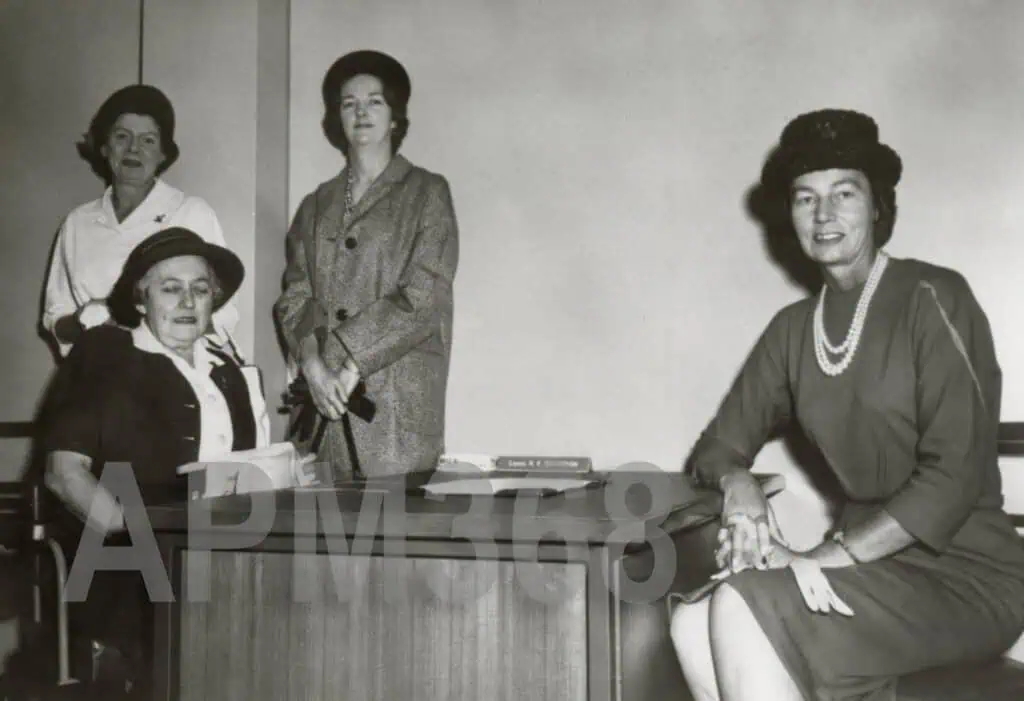
ALICE CLARKE STREET
The daughter of a NSW policeman, Alice Leila Clarke was born in Wollongong in 1910. In July 1947 she became the first policewoman in the ACT Police and was issued police number 46. In October 1949, Alice was seconded to ‘D Branch’ of the newly formed Australian Security Intelligence Organisation (ASIO). Returning to policing duties in 1955, Alice was promoted to senior constable and continued at that rank until she was discharged on medical grounds in October 1967. Throughout her police service, Alice worked in plain clothes, as ACT policewomen at the time didn’t serve in uniform. She died in April 1994.
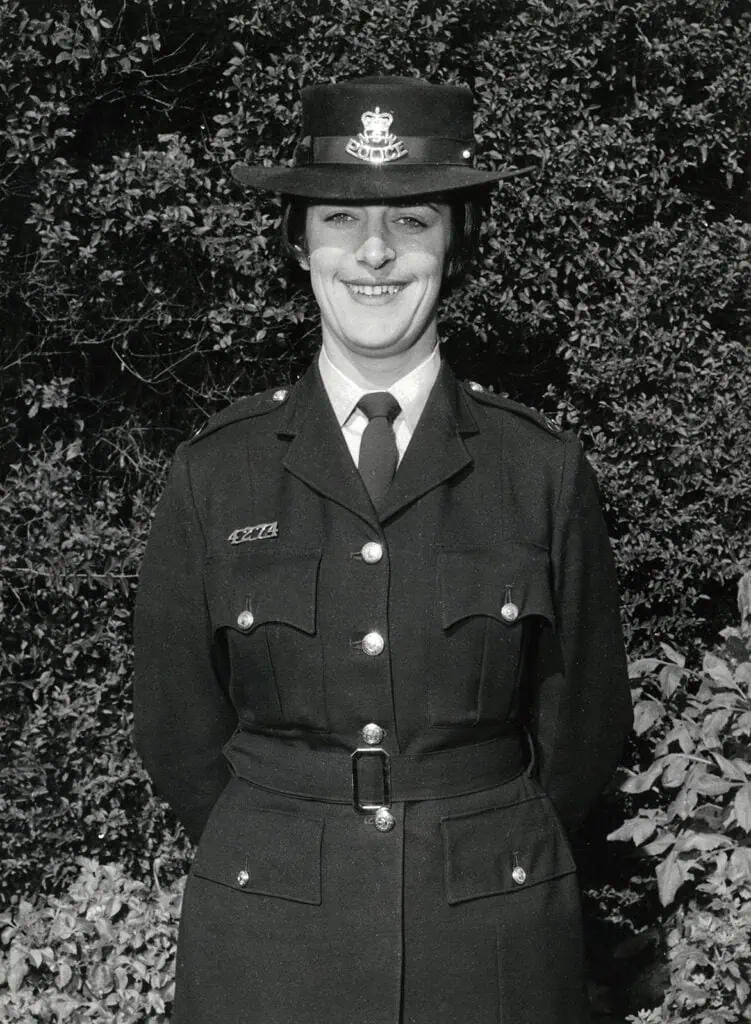
BEV LAWSON STREET
Beverley (Bev) Ann Lawson APM was born in Wollongong in 1940 and joined the NSW Police Force in May 1964. At that time, NSW policewomen were issued registered numbers on a different system to male police; Bev’s number was 61. The sole female member of her class of 111 recruits, Bev first worked in traffic enforcement and then criminal investigations (including becoming the state’s first female licensing sergeant), before being promoted to inspector in 1988 and superintendent in 1990. In 1993, she was promoted to chief superintendent and was awarded the Australian Police Medal for distinguished service. In February 1997 Bev was promoted to Deputy Commissioner Field Operations and became the first female deputy commissioner in any Australian police jurisdiction. Heavily involved in sporting and community groups in the Wollongong area in her spare time, Bev died after collapsing at her home in January 1998.
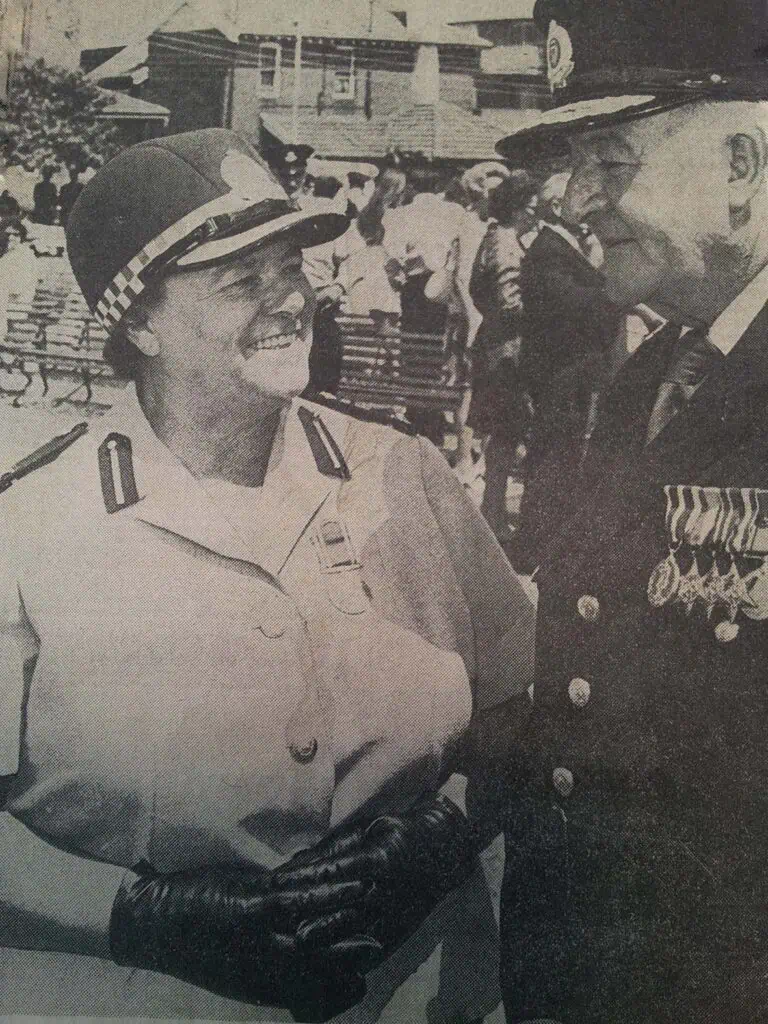
HANLEY STREET
Alice Elizabeth (Beth) Hanley QPM was born in Croydon Park, NSW, in 1916. In April 1943, she became the third woman to join the NSW Police Force as a special constable (all female police at the time were appointed special constables), and her allocated registered number was 3. During her career, Beth was commended on several occasions for her diligence and the performance of her duties. She spent much of her career based in the Sydney metropolitan area, working in plain clothes while undertaking investigations. Beth was the first NSW policewoman promoted to inspector, becoming an inspector third class in 1972. The following year she was awarded a trophy as the most outstanding policewoman in NSW. Shortly before retiring in 1976, Beth was awarded the Queen’s Police Medal for distinguished service. She died in 1999.
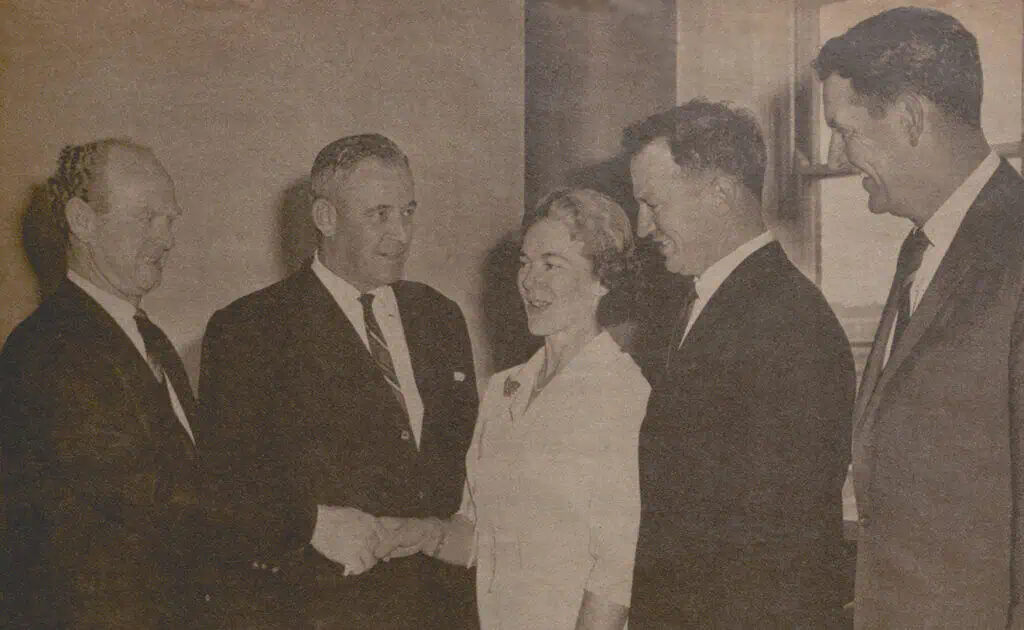
FRICKER PLACE
Adelle (Del) Dorothea Douglass (née Fricker) BEM was born in Glenelg, South Australia, in 1927 and was a kindergarten teacher before joining the NSW Police Force in February 1950 (her allocated registered number was 10). Deployed as a member of the Queen’s escort for the 1954 tour of Australia, in 1967 Del was awarded a British Empire Medal for Gallantry for her role in the previous year’s capture of notorious HM Prison Pentridge escapees Ronald Ryan and Peter Walker. She received the inaugural trophy for most outstanding NSW policewoman of the year in 1970 and, in 1971, was one of the first two NSW policewomen designated as detectives. Del was promoted to inspector in 1975 and the following year was appointed the officer in charge of all women police in NSW. Awarded the Queen’s Silver Jubilee Medal in 1977, Del retired in 1980 and died in 2008.
POWLEY STREET
Leonard (Len) Wilfred Powley was born in Boweya, Victoria, in 1906. In 1926 he joined Victoria Police (registered number 8090) and worked mostly in inner-city Melbourne, before joining the 13-strong ACT Police in September 1939. Assigned the police number 23, he rose steadily within the ranks of the fledgling force, taking on senior executive duties when promoted to superintendent in 1955. Len became commissioner in October 1965 but retired on his 60th birthday in January 1966. In addition to his police career and involvement with the ACT Police Boys Club, Len played a prominent role for many decades with local community service and charity groups as well as in the ACT National Football (now Australian Football) League. He died in 1980.
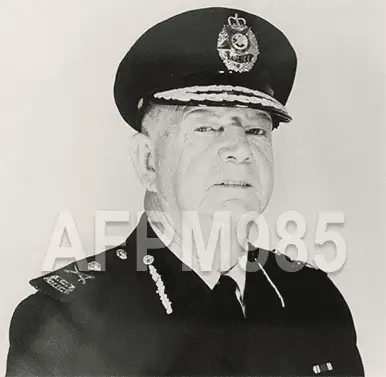
TED RICHARDS STREET
Edward (Ted) Richards LVO was born in St James, Victoria, in 1905. After a decade of service with Victoria Police (registered number 8348), he joined the ACT Police in February 1938 and was issued number 21. For part of the Second World War, he served as an assistant provost marshal (military policeman) with the Royal Australian Air Force (RAAF). In 1944 he was shot and wounded while on RAAF duty in Adelaide, by an impostor in a service uniform. Upon returning to the ACT Police, Ted swiftly rose through the ranks and was appointed commissioner in October 1955 — the first member to be appointed to the position from within the force. He led a substantial expansion of the ACT Police and oversaw the implementation of numerous policies and practices to improve the capabilities of Australia’s smallest police force. Queen Elizabeth II awarded him the Member of the Royal Victorian Order for his role in organising security for her 1954 visit to Canberra. The award was upgraded to Lieutenant of the Royal Victorian Order (LVO) after the Queen’s 1963 visit. Ted retired in 1965 and died in 1995.
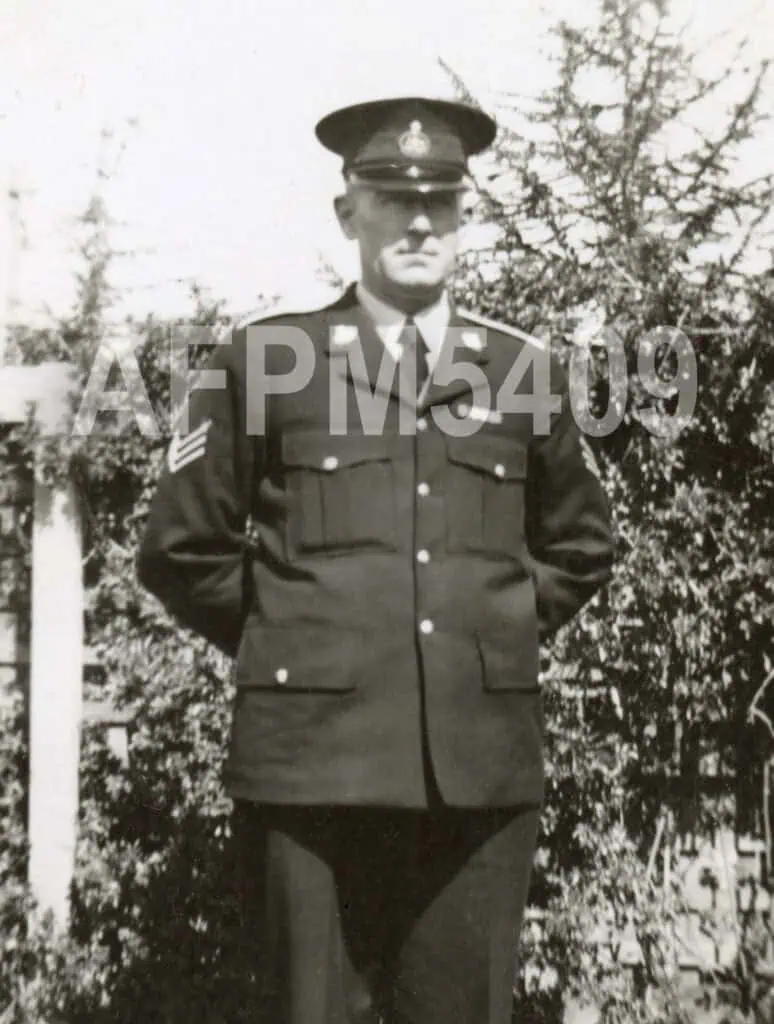
WHITROD AVENUE
Raymond (Ray) Wells Whitrod AC CVO QPM was born in Adelaide in 1915. He joined South Australia Police as a cadet in 1934 and subsequently became a detective constable (identification number 71). After serving overseas with the RAAF during the Second World War, Ray returned to policing until 1949, when he joined ASIO to undertake counter-espionage duties. In 1953, he was appointed Director of the Commonwealth Investigation Service, a position that became the Commissioner of the Commonwealth Police when it was formed in 1960. Ray played a crucial role in developing federal policing before he was appointed Commissioner of the Royal Papua New Guinea Constabulary in 1969. The following year, he was appointed Commissioner of the Queensland Police Force, but he resigned in 1976 in protest over government and police corruption and malpractice.
A devout Christian, Ray also had a lifelong association with the scouting movement, contributed to the study of criminology, and played a key role in founding the Victims of Crime Service in South Australia in 1979. He was awarded the Member of the Royal Victorian Order for his services in organising security during Queen Elizabeth II’s 1954 visit to Australia. This was later upgraded to Lieutenant and then to Commander of the Royal Victorian Order (CVO). He received the Queen’s Police Medal for distinguished service in 1967. In 1972 Ray was named Queenslander of the Year; he was appointed a Member of the Order of Australia in 1987 and became a Companion of the Order of Australia (AC) in 1993. To date, he is the only Australian to head police forces at the territorial (Papua New Guinea), state (Queensland) and federal (Commonwealth Police) levels. Ray died in 2003.
Note: Whitrod Avenue, Oran Park, NSW, is also named after Ray.
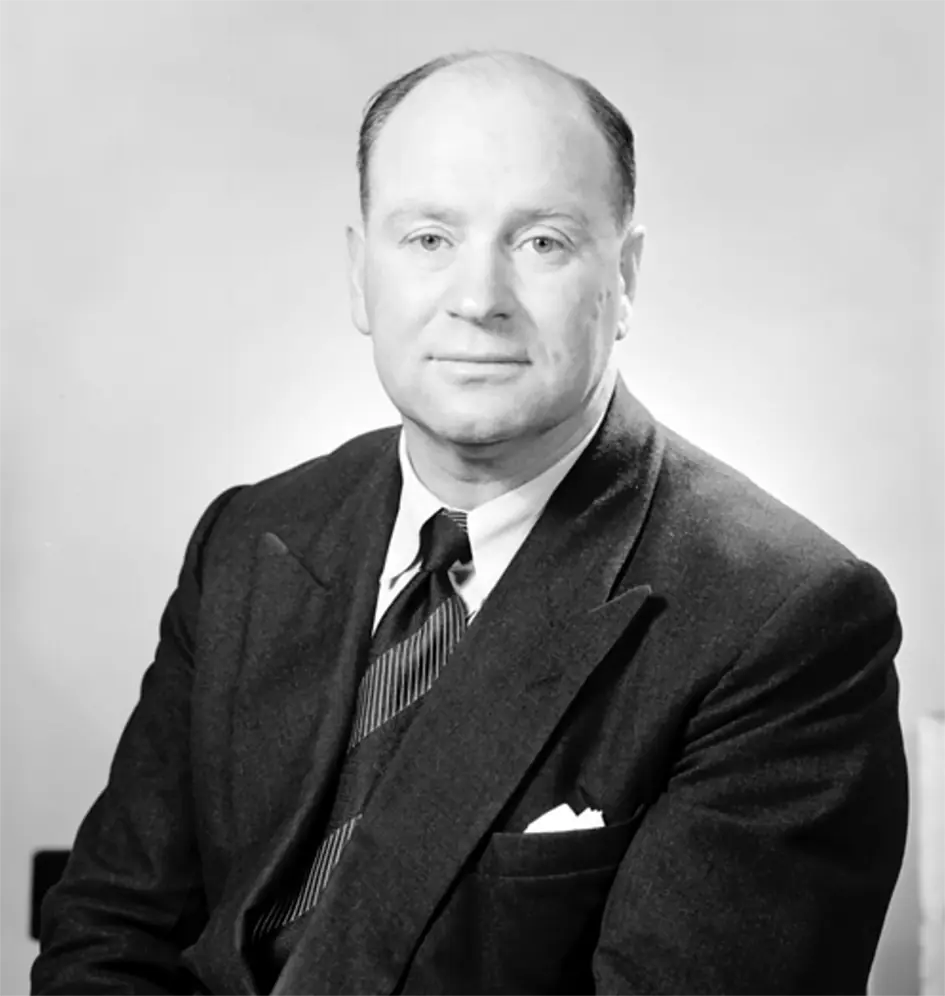
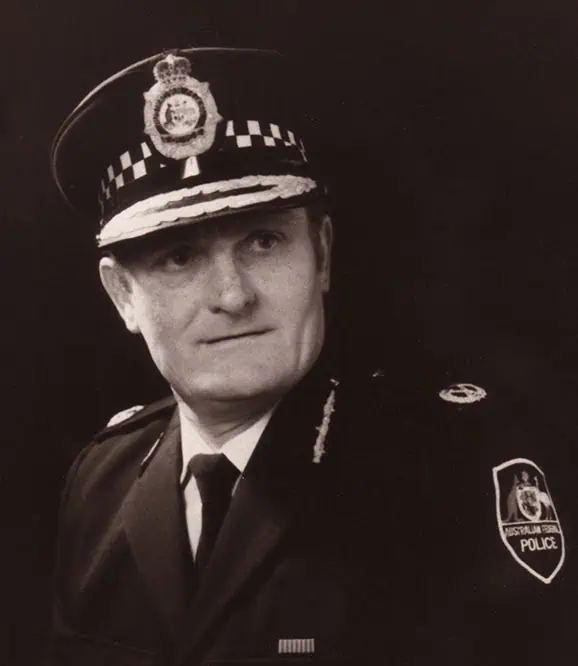
WINCHESTER STREET
Colin (Col) Stanley Winchester APM was born in Cootamundra, NSW, in 1933. A keen rugby league player who also worked for a period as a miner, Col joined the ACT Police in April 1962 and was issued number 157. He rotated between uniformed and criminal investigations duties for almost two decades, rising to superintendent just before the 1979 merger of the ACT Police and Commonwealth Police into the Australian Federal Police (AFP). Issued AFP badge number 28, Col was promoted to assistant commissioner in 1984. In 1987, he received the Australian Police Medal for distinguished service in criminal investigations. In June 1988, Col was put in charge of day-today policing operations in the capital, a role now titled Chief Police Officer for the ACT. Tragically, on the evening of 10 January 1989, he was shot and murdered while parking his unmarked police car next to his Canberra home.
Note: Winchester Place, Karabar, NSW, is also named after Col.
INVITATION
If you know of a road, park, bridge or other public place, named after a police officer or departmental employee, let us know at apj@apjl.com.au. Periodically, the APJ will publish features like the above, to acknowledge such significant honours for former police.
ACKNOWLEDGEMENTS
Thank you to those who assisted in the preparation of the article, especially to David Anderson; Werona Armstrong; Ash Bold; Michael Byrnes; Paulene de Graaf; Denis McDermott; Isabella Turner; Phil Spence; the AFP Museum; the Queensland Police Museum; the South Australian Police Historical Society and the Victoria Police Museum.

ABOUT THE AUTHOR
Jason Byrnes APM recently retired from the AFP after a 36-year policing career. He has authored numerous articles and two books, and has edited a third book. Jason has been involved in the APJ in various capacities since 2001.

