
INTRODUCTION
Many of the prominent gangland wars written in this nation’s history have ultimately centred around the illegal drug trade. The never-ending struggle to control territory and distribution has seen many lives lost and countless law enforcement initiatives aimed at stemming the bloodshed and protecting innocent members of the public from getting caught in the crossfire.
Remarkably, it is a more traditional commodity now at the heart of such conflicts, with the same undesirables fighting to control it.
Far from an issue solely impacting Australia, the trafficking of illicit tobacco provides the perfect illustration of a global crime problem that requires a global solution (24), (25).
It is a multifaceted phenomenon encompassing a multi-billion-dollar business that consistently deprives governments and taxpayers of considerable funds (12), (33).
Organised crime syndicates are involved in every facet (16) and make enormous profits through sales and distribution (41). These proceeds are then channelled into other criminal enterprises, such as money laundering, trading in illegal arms, illicit drug manufacture and/or supply, and even terrorism (5), (2), (13), (27), (31), (33).
THE CHALLENGE
This article will examine the illicit tobacco trade, focusing on its impact on Australia. This will facilitate a broader discussion around contemporary issues in international crime and security, including the globalisation of crime, global law enforcement structures, and multilateral cooperation.
The illicit tobacco trade has significant ramifications for law enforcement agencies across both state and federal jurisdictions, who face considerable challenges to bring it under control.
The attractive margins presented through continually rising legal tobacco prices and the availability of cheap illicit tobacco flooding the market has now created a raft of enforcement, economic, and social problems (13).
CHARACTERISTICS AND IMPACT
Tobacco smoking remains Australia’s leading cause of preventable death and disability, estimated to kill more than 55 Australians a day, or some 20,500 a year (4).
Despite this, it’s been reported that 11.8% of Australians aged 14 years and over still smoke (37).
The average price for a pack of 25 cigarettes in Australia sits around $40 and is expected to go as high as $50 in the coming years (31). This is largely due to Australia having some of the highest cigarette taxes globally (26), (32).
The term ‘illicit tobacco’ encompasses “any tobacco products which are grown or manufactured in Australia without the required excise licensing, or products which are imported without the necessary excise payment” (13).
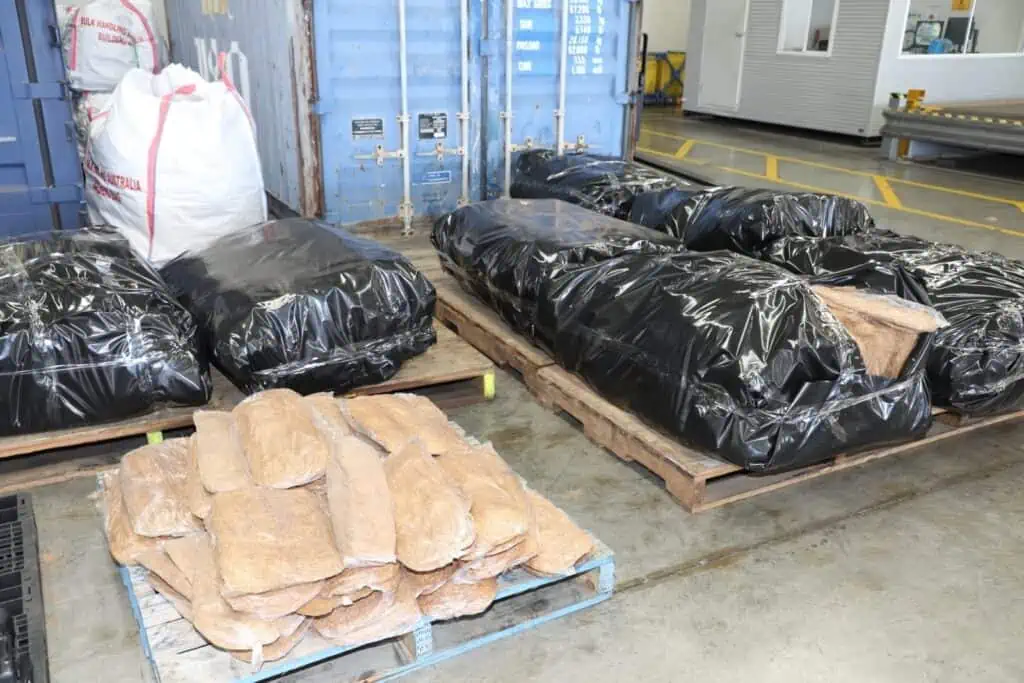
The tobacco tax gap is a term used by the Australian Taxation Office to describe the difference between the excise or customs duty that tobacco should have raised for a financial year and that which was ultimately received. For 2020-21, the net tobacco tax gap was 10.4%, equivalent to around $1.89 billion. This demonstrates the significant amount of money channelled into organised criminal activities (9).
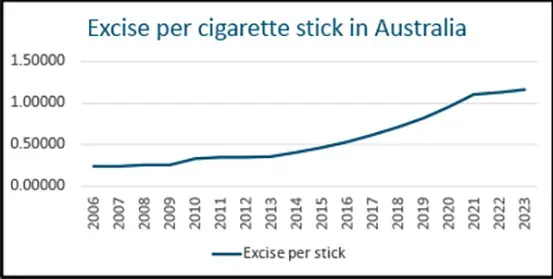
Taxes on cigarettes and tobacco products in Australia are among the highest worldwide (26). In 2019, excise alone accounted for 70% of the retail price, while GST accounted for a further 9% (13).
This graph shows the rise in the excise rate per cigarette in Australia from 2006 to 2023, which currently sits at $1.16 per stick (6). Given this is equivalent to the total purchase price for a single illicit cigarette (32) and, if cost is the only reason a person wants to quit, this will present an appealing alternative.
According to the World Health Organisation, evidence has shown that increasing taxes on tobacco is the single most effective means of reducing its usage (44).
Successive Australian governments continue to subscribe to this theory, inflating the cost of tobacco products beyond the means of many consumers (27), (31). In a 2020 survey, 58% of respondents identified cost as the sole reason they wanted to quit smoking (8). This has created an environment where illicit market operators can thrive (13), (25), (27).
What also makes this crime unique is that unlike other transnational organised crime, such as terrorism, illicit drugs, or cybercrime, the cultivation and importation of illicit tobacco has not historically been seen as an area of particular concern to the public (26). This social tolerance means people who will not ordinarily engage in criminal conduct are more prepared to partake if it means securing cheaper products (27), (36). This presents additional challenges for agencies tasked with combatting it as they pursue the resources and legislation necessary to make a meaningful and lasting impact.
A GLOBAL CRIMINAL ECONOMY DEMANDS A GLOBAL RESPONSE
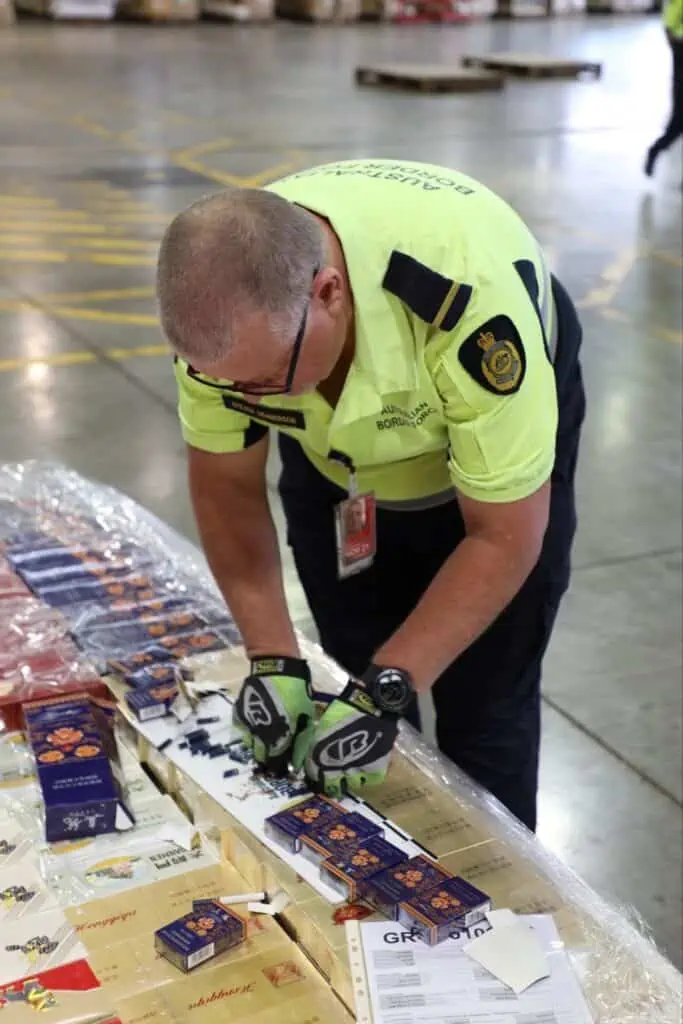
One agency leading the fight against the illicit tobacco trade on behalf of the Australian Government is the Australian Border Force (ABF). Falling under the Department of Home Affairs (21), it comprises approximately 6,000 staff working in 70 locations worldwide. It aims to protect the country’s borders and enable legitimate trade and travel (41).
Australia’s proximity to the sea makes it susceptible to the illicit tobacco trade (30). The World Customs Organisation has identified sea shipping as a mode of transport attracting increased risk (38).
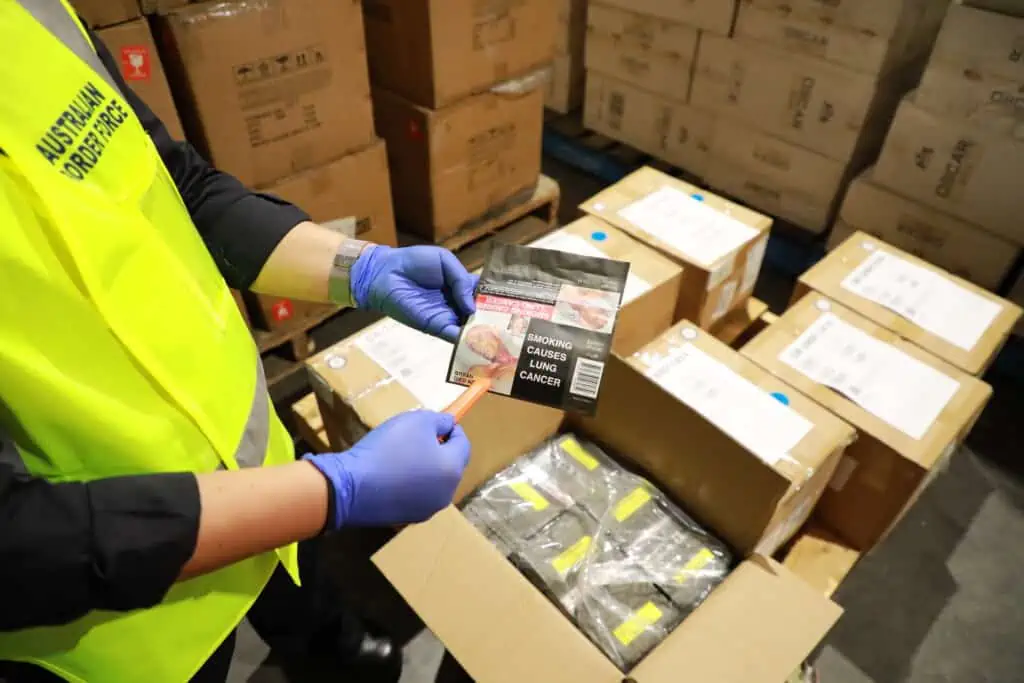
Australia has some 37,000 kilometres of coastline, with more than 60 international seaports (3). Much of the illicit tobacco in Australia comes via the sea (17).
A single 40-foot shipping container can hold around 400,000 packets of cigarettes, costing only $200,000 to purchase upfront (14). The potential gross profit if just one of these gets through, combined with a low risk of getting caught and less severe penalties than trafficking in arms or drugs, makes this a very enticing pursuit for organised crime (24), (26), (27).
The Australian Criminal Intelligence Commission (ACIC) has indicated most of the illicit tobacco that lands in Australia originates from Asia and the Middle East. They identified China, Indonesia, the United Arab Emirates, Malaysia, Singapore, and the Philippines as key countries (17).
Despite this, Illicit Tobacco Task Force (ITTF) Inspector Paul Schembri says targeting at the import point remains challenging for investigators, as containers will often be mislabelled or their actual port of origin disguised. In 2022, more than one billion cigarettes were reported with an unknown country of departure (39).
The ABF has moved to redeploy staff to sea cargo streams (21). Still, as authors Lauchs and Keane (2017) lament in the Journal of Financial Crime, ‘it is impossible to screen every individual item and person wishing to enter Australia’.
ABF Commander Raef McDonough says criminal syndicates are often sophisticated and capable of adapting and diversifying their business to maintain supply (31). Stretching resources to address one entry point will only open the door to another. This is where pooling resources become crucial to “level the playing field” between transnational criminal groups and law enforcement (23).
In 2017, the Black Economy Taskforce was established to review the issue of illicit tobacco and other illicit markets impacting Australia. Among several recommendations was the need for coordinated enforcement to combat illicit tobacco, including a cross-agency task force (17).
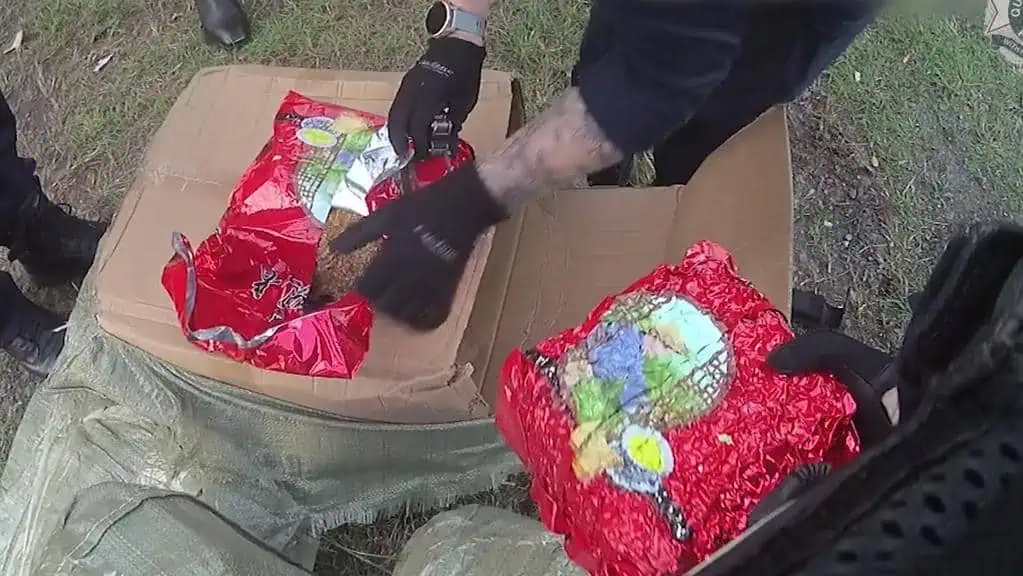
The Illicit Tobacco Taskforce (ITTF) was formed in July 2018. It comprises members of the ABF; ATO; ACIC; Department of Home Affairs (DHA); Australian Transaction Reports and Analysis Centre; the Commonwealth Director of Public Prosecutions (CDPP); and representatives from State and Territory law enforcement agencies (9), (13).
The core functions of the ITTF include intelligence gathering, carrying out investigations, sharing information, working closely with national and international agencies, and utilising available legislation to prosecute offenders (9). Staff contributing to the task force are embedded in over 40 countries, with offshore disruption a considerable focus of their work (32).
Up to June 2023, the ITTF has seized and destroyed more than 210 tonnes of illicit tobacco, with an estimated excise value of $2.1 billion (10).
The table below illustrates the year-on-year results achieved by the ITTF since inception (9).
| Financial year | Number of seizures | Amount seized (kg) | Cigarettes (sticks) | Estimated excise duty ($million) | Number of convictions |
| 2018-19 | 8 | 41,400 | Nil | 42 | 4 |
| 2019-20 | 22 | 130,656 | 11, 480 | 171 | 4 |
| 2020-21 | 23 | 109,186 | 5,496,379 | 178 | 1 |
| 2021-22 | 21 | 110,349 | 1,661,520 | 176 | 1 |
| 2022-23 | 16 | 66,711 | 1,207,516 | 111 | 6 |
| 2023-24 | 70 | 6,019 | 10,398,959 | 21 | 8 |
| Total | 160 | 464,321 | 18,775,854 | 699 | 24 |
International cooperation is at the forefront of the ITTF agenda. This generally requires nations to enter into bilateral agreements, multinational (regional), or global (20).
The ITTF has demonstrated such cooperation at all three levels.
On a global scale, Australia is a member of the World Customs Organisation (WCO), representing 185 customs administrations globally (42).
Their overarching mission involves ‘…providing leadership, guidance and support to Customs administrations’(40). One line within their vision statement that holds strongly to theories of globalisation and crime is ‘Borders divide, Customs connect’ (40).
Various other multinational and bilateral agreements are in place, which has seen the ITTF collaborate with His Majesty’s Revenue and Customs (HMRC), New Zealand Customs, and Homeland Security Investigations. Members of HMRC are embedded with the ITTF onshore (32).
A recent multinational arrangement between Australia, the United Kingdom and Singapore saw Singapore Customs provide 17 referrals to the ITTF and 12 to HMRC, resulting in the seizure of more than one hundred million cigarettes (41).
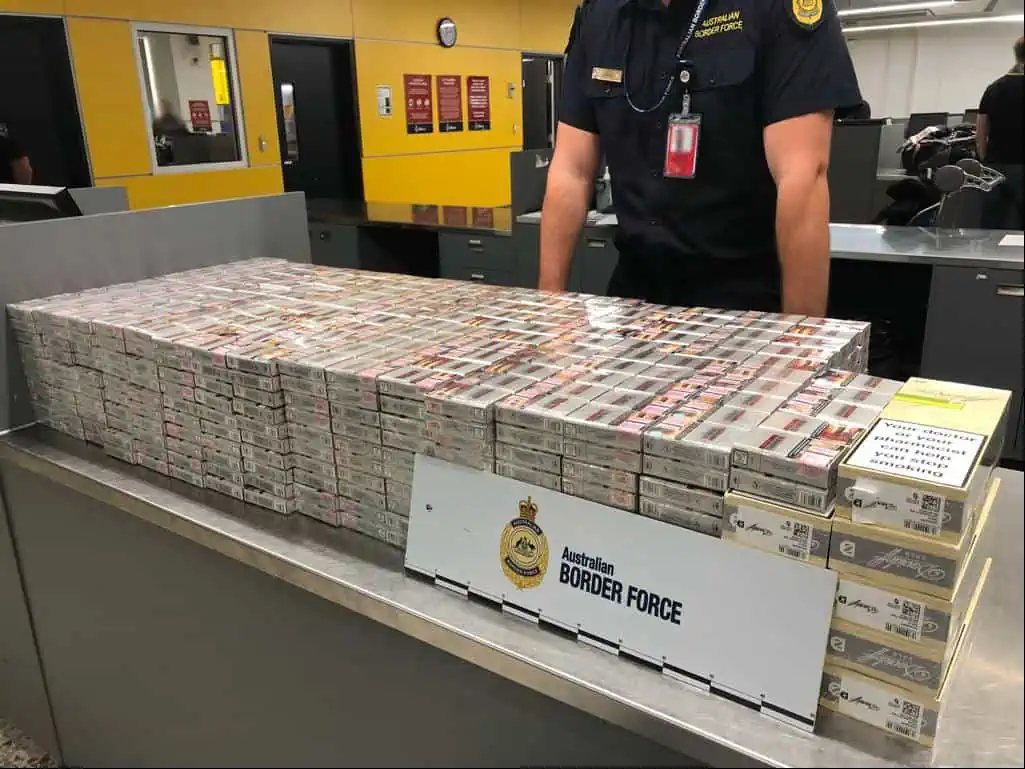
The international community has several treaties and agreements applicable to the illicit tobacco market. These include the United Nations (UN) Convention against Transnational Organised Crime, the UN Convention Against Corruption, the International Convention for the Suppression of Financing of Terrorism, the Agreement on Trade-Related Aspects of Intellectual Property Rights, the WHO Framework Convention on Tobacco Control (FCTC), and the Protocol to Eliminate the Illicit Trade in Tobacco Products (24), (33). Australia is party to each, except for the Protocol to Eliminate the Illicit Trade in Tobacco Products, which is somewhat problematic and worthy of further discussion.
DISTRIBUTION AND TURF WARS IN OUR BACKYARD
The illicit tobacco trade has been a valuable source of revenue for organised crime syndicates for several decades. The attraction to this industry is based on its perceived low-risk and high-reward nature (24), (26). It is estimated organised crime accounts for some 80% of the illicit tobacco trade (13).
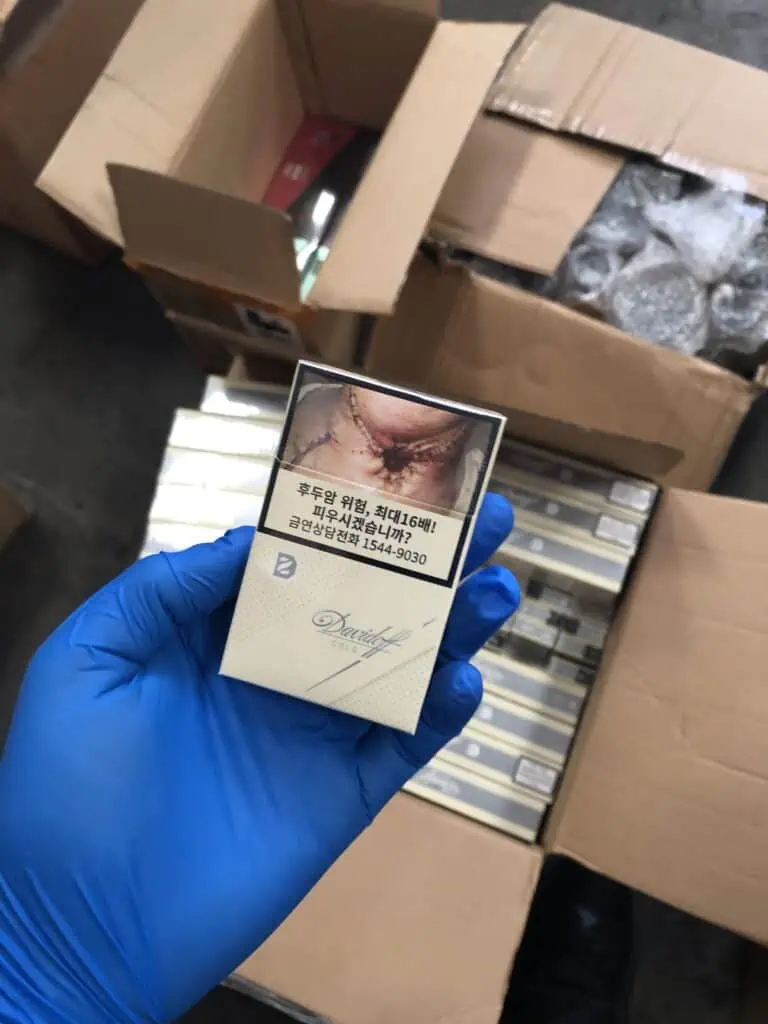
Legal tobacco cultivation ceased in Australia in 2006 (9), (26), meaning the illicit market in finished cigarettes relies almost wholly on importing products smuggled into the country (13). These usually come in one of three forms: counterfeit, contraband, or unbranded cigarettes (12), (13), (17), (26).
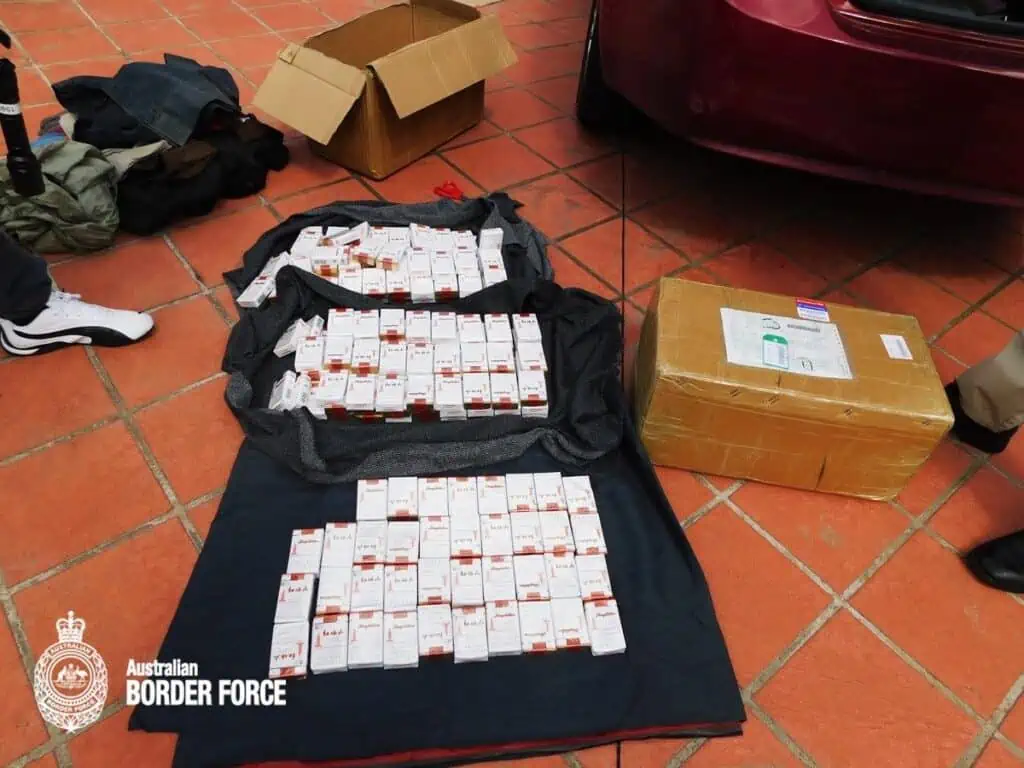
Organised crime networks do continue in their attempts to grow tobacco illegally, often targeting unsuspecting farmers and landowners in regional areas (9). Two recent raids in central western New South Wales highlighted this, where some 93 tonnes of illicit tobacco were seized and destroyed. These seizures alone were estimated to have a combined excise of $40 million (10), (11).
More markedly, distribution has become an element with overt implications for the domestic market and state-based law enforcement.
Organised crime networks are targeting tobacco retailers to stock and sell their illicit products (9). In addition to undercutting legitimate businesses, these tactics have also seen the emergence of an all-out turf war, creating a highly volatile environment that poses a direct risk to the broader community (35).
THE TOBACCO WARS
Events in Victoria over the past 12 months present a valuable case study through which the prevalence of the illicit tobacco trade and the involvement of organised crime networks domestically can be highlighted.
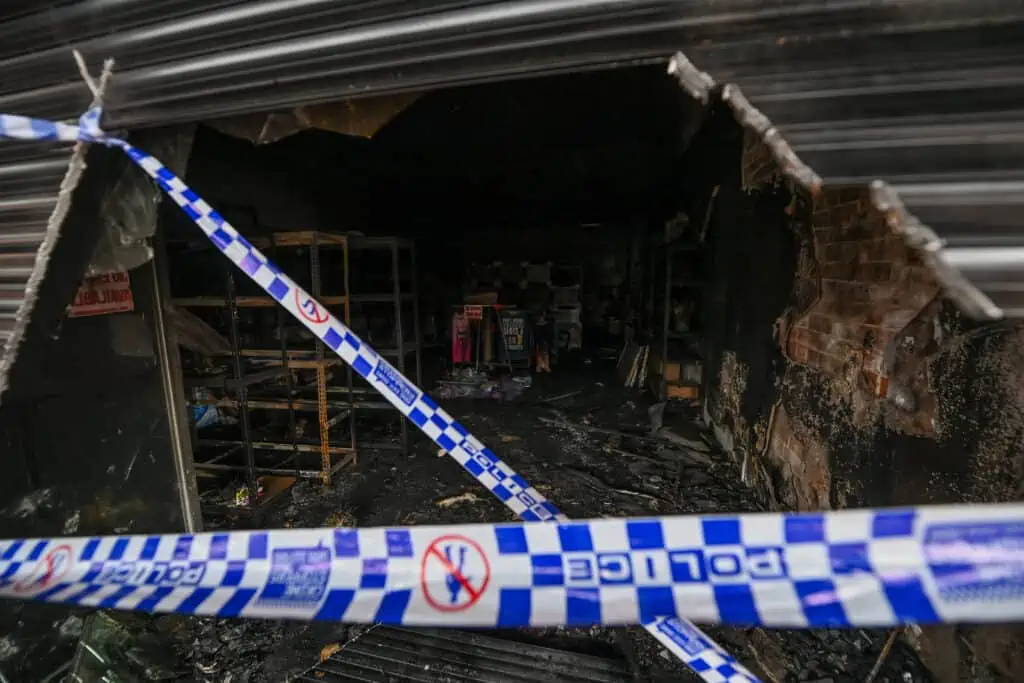
Since March 2023, there have been around 30 arson attacks on commercial and retail premises where there was an apparent link to the illicit tobacco trade (1). There have also been two public-place shootings in Melbourne, believed to be linked to this ongoing feud. One of these resulted in the death of a man, with subsequent social media postings suggesting he was targeted because of his involvement in the illicit tobacco trade (15).
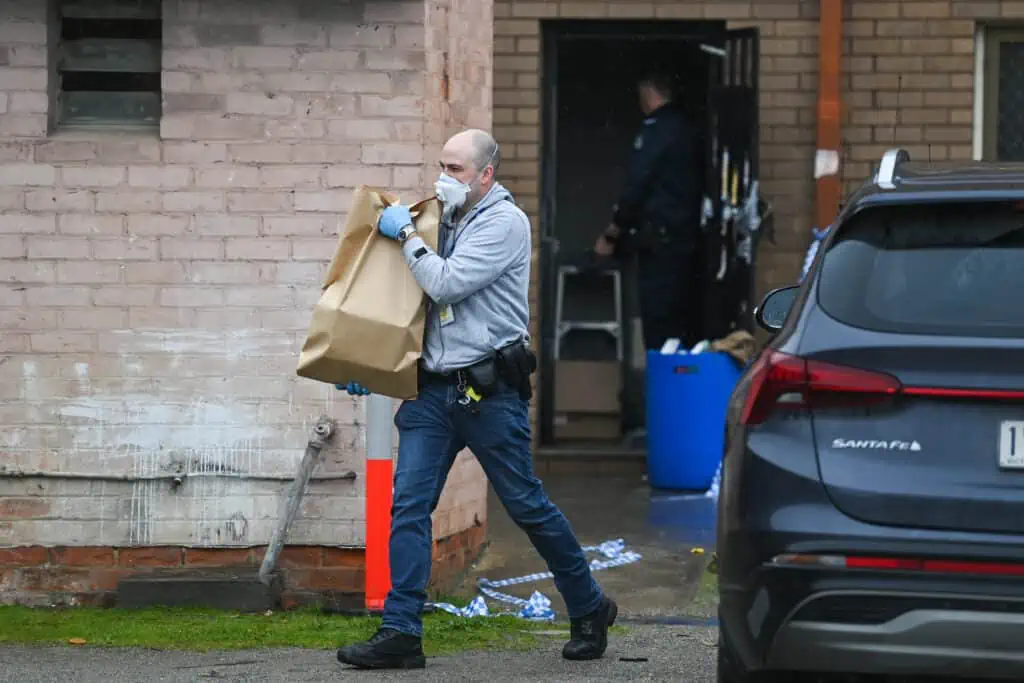
This situation demonstrates how this issue has become pertinent for state-based law enforcement.
TASKFORCE LUNAR
In October 2023, Victoria Police announced ‘Taskforce Lunar’ to target organised crime involvement in illicit tobacco. In making the announcement, the current local landscape was summed up: “While illicit tobacco is not generally investigated by state law enforcement, the high level of risk presented by the associated offending, such as arson attacks, extortions and firearms incidents, has led to the formation of the Victoria Police taskforce” (35).
LOOKING TO THE FUTURE
Consistent with the approach to transnational organised crime generally, it is abundantly clear the illicit tobacco trade calls for a carefully coordinated international response encompassing a variety of agencies capable of collaborating across multiple jurisdictions (18), (25), (32).
The required approach must be multi-faceted in that it must consider not only reactive elements aimed at detection and disruption but also proactive solutions that incorporate education, deterrence, and prevention (17). At home, this means building on collaboration between the ITTF and state-based agencies which, with the right information and direction, are well-positioned to provide valuable intelligence and treat the symptoms of the crime at a community level (26).
It would be naïve of other states and territories to assume recent issues in Victoria will remain geographically isolated and not heed the warnings they provide. The rapid domestic growth of the illicit tobacco market has presented a lucrative endeavour that many organised crime groups will no doubt pursue, as has been the case with prohibited drugs: they will go to considerable lengths to secure their piece of the pie.
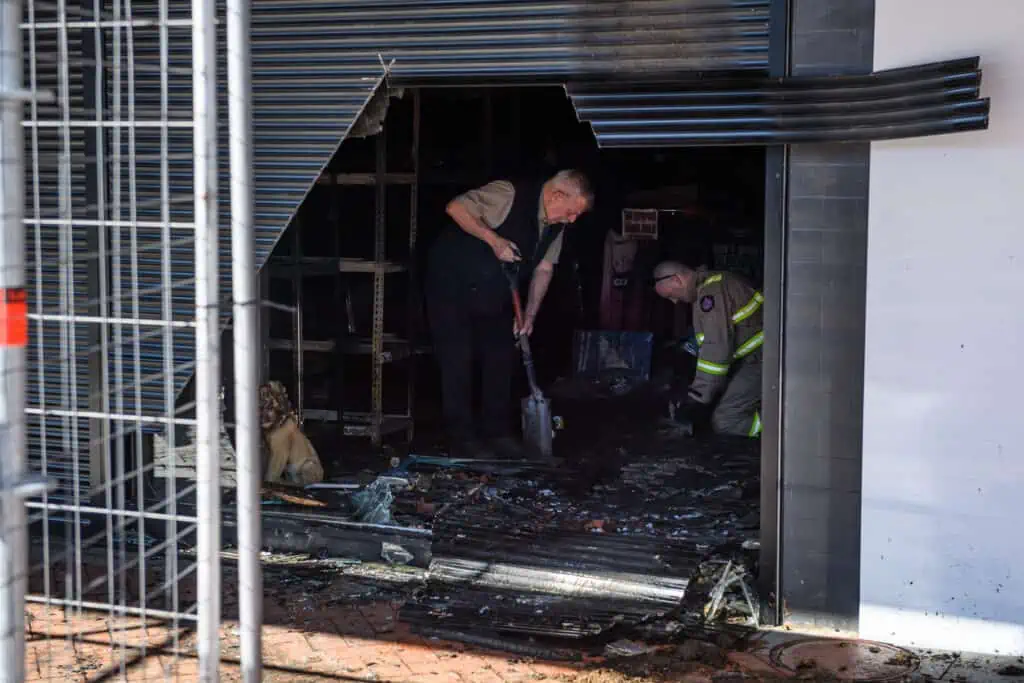
Any fresh approach aimed at addressing the illicit tobacco trade must be built on a foundation of credible research.
In Australia, research about the tobacco industry has been largely limited to health risks and social implications (26). This creates an opportunity for future research that not only considers local markets but extends globally to examine the interactions between various countries to understand better the complexities of the illicit trade (27),(30).
Facilitating research and communication falls under the supporting functions of the WCO (40) and the ACIC. Through the work of the ITTF, Australia is well-placed to build networks dedicated to improving research in this area.
The ITTF must also continue to share their expertise and resources abroad, contributing to capacity building, support, and technical assistance for nations susceptible to illicit activities due to socio-political, cultural, and economic factors (28), (38). This also requires leadership and coordination from the likes of the WCO and INTERPOL to ensure that the economic imbalance between countries does not compromise international efforts (22).
In the 2023 Federal Budget, the Australian Government announced a further 5% increase in tobacco excise annually over the next three years (18), meaning legitimate products will not be any more affordable in the future.
Suppose governments remain intent on treating tax excise as a form of universal remedy for health issues tied to smoking. In that case, it is incumbent upon them to also recognise the attractive environment this produces for organised crime syndicates.
LINE IN THE SAND
In January, the Australian Government announced a commitment of $188.5 million over four years towards the fight against the illicit tobacco trade (7). In announcing this package, the government indicated the investment was built into a model designed to stem the flow of illicit tobacco into the country, boost the capacity of the ABF to combat trade at the border, and perhaps most critically, ‘…bring together stakeholders to deliver a coordinated, multi-agency, multi-jurisdictional response (7).
Given researchers and practitioners alike are unanimous in their assessment that a coordinated global approach is needed to truly address this transnational crime, coupled with the direct impact it is now having on the Australian community, this announcement will hopefully act as a line in the sand moment in this country’s response.
However, there are still questions about Australia’s absence from the Protocol to Eliminate Illicit Trade in Tobacco Products.
This Protocol is an international treaty with 68 parties and 54 signatories (34). It is touted by the WHO as a ‘…global solution to a global problem’ (43).
Whilst Australia is a party to the WHO FCTC, they are yet to become a party or signatory to the landmark Protocol. The reluctance of Australia to sign up to the treaty seemingly centres around one of its key measures, designed to make the tobacco supply chain more secure.
Participation requires countries to sign up for a global tracking and tracing regime with national and regional licensing components (43). The Department of Health made submissions to a Parliamentary Inquiry into illicit tobacco that Australia was not able to accede to the Protocol because necessary domestic laws did not exist to implement various obligations (17).
Despite the recent announcement, the Australian Government’s National Tobacco Strategy 2023-2030 makes almost no mention of the Protocol, only committing to continuing work through the WHO FCTC (19).
However, it highlights the need for the Federal Government to work with States and Territories to explore the mechanisms necessary for a licensing scheme (19).
If the government is truly committed to their stated multi-agency, multi-jurisdictional response, it would seem imperative they genuinely prioritise the domestic issues preventing them from signing the treaty.
COST OF LIVING
No longer an emerging issue, the illicit tobacco trade presents a genuine threat to both the revenue and criminal justice systems of Australia (26). Like traditional business, organised crime is often built around the basic principles of supply and demand (25). For so much illicit tobacco to still be making its way to our shores, demand is clearly high (27).
The ITTF creation was undoubtedly a watershed moment in Australia’s commitment to tackling the illicit tobacco trade. Their recent arrest and seizure results speak to the prevalence of the issue within the community. Their effectiveness in the future will be heavily reliant upon adequate investment of both funding and resources, allowing them to attack the problem from multiple angles proactively. Recent funding announcements by the Australian Government are encouraging in this respect. Collaboration remains the key –between state and federal agencies at a domestic level – or multiple countries internationally.
With cost-of-living pressures expected to endure while more cheap illicit products flood the street, the implications of the illicit tobacco trade for Australia are yet to peak. They will continue to evolve in the coming years.
CONCLUSION
Organised crime networks are willing to go to great lengths to protect their investments and continue to thrive, as is demonstrated in Victoria. The affordability and ease of access to illicit products appeal to customers unwilling or unable to recognise their contribution’s negative impact on society.
Australia was once recognised as a leader in tobacco control, but treating tax excise as a panacea while only addressing the symptoms of the resulting illicit trade has the potential to threaten this severely. If Australia is to meet the ambitious objectives of the National Tobacco Strategy by 2030 and return order to the streets, swiftly arresting the unprecedented rise of the illicit trade is critical.

ABOUT THE AUTHOR
Inspector Rohan Best joined the New South Wales Police Force in 2007 and was later designated as a detective. He spent much of his career working in criminal investigation at local commands and specialist units before returning to a frontline role as a supervisor in 2019. He helped establish and led a mid-level crime team investigating drug and firearm offences impacting the local community. Rohan was promoted to Inspector in May of 2023 and currently works as a Duty Officer in a Police Area Command in Sydney’s southwest. He holds a Bachelor of Policing and recently completed a master’s in leadership and management (Policing and Security) through Charles Sturt University, where he graduated with distinction and received an Executive Dean’s Award for outstanding academic achievement. Through these studies he undertook his research into the illicit tobacco trade, which is the article’s subject.
REFERENCES
- Abbott, L. (2024, January 14). ‘Fireball erupts in Melbourne’s fifth underworld arson attack in a week’. The Age. Retrieved from: https://www.theage.com.au/national/victoria/fireball-erupts-in-melbourne-s-north-after-another-underworld-arson-attack-20240114-p5ex1f.html
- Association of Southeast Asian Nations (ASEAN). (2021). ‘ASEAN, Australia Launch Project Portcullis 2021 to tackle illicit tobacco’. Retrieved from: https://asean.org/asean-australia-launch-project-portcullis-2021-to-tackle-illicit-tobacco/
- Australian Border Force (ABF). (2023). ‘What we do: Key statistics’. Retrieved from: https://www.abf.gov.au/about-us/what-we-do/key-statistics
- Australian Bureau of Statistics (ABS). (2022). ‘Insights into Australian smokers, 2021-22’. Retrieved from: https://www.abs.gov.au/articles/insights-australian-smokers-2021-22
- Australian Crime Commission (ACC). (2013). Organised Crime in Australia. Retrieved from: https://www.crimecommision.gov.au/publications/organisd-crime-australia/organised-crime-australia-2013-report
- Australian Government. (2023). ‘Historical Excise Rates’. Retrieved from: https://data.gov.au/dataset/ds-dga-0aa77454-d0f6-4499-b0a4-88dbdeee95d1/ distribution/dist-dga-b9227cdf-4c04-492d-bd84-65031adc408e/?q=excise
- Australian Government. (2024, 14 January). ‘Albanese Government cracks down on illegal tobacco imports’ [press release]. Retrieved from: https://ministers.treasury.gov.au/ ministers/jim-chalmers-2022/media-releases/albanese-government-cracks-down-illegal-tobacco-imports
- Australian Institute of Health and Welfare (AIHW). (2020). ‘National Drug Strategy Household Survey’, Drug Statistics series no. 32, Cat no. PHE 270, Canberra: AIHW
- Australian Taxation Office (ATO). (2023). ‘Illicit tobacco’. Retrieved 30 January 2024 from: https://www.ato.gov.au/General/The-fight-against-tax-crime/Our-focus/Illicit-Tobacco/ [Last updated: 14 November 2023]
- Australian Taxation Office (ATO). (2023b, 11 April 2023). ‘Investigation into illicit tobacco syndicate – Central West NSW’. Retrieved from: https://www.ato.gov.au/Media-centre/Media-releeases/Investigation-into-illicit-tobacco-syndicate—Central-West-NSW/
- Australian Taxation Office (ATO). (2023c, 2 May 2023). ‘Operation Junglevine2 slashes second tobacco crop’. Retrieved from: https://www.ato.gov.au/Media-centre/Media-releases/Operation-Junglevine2-slashes-second-tobacco-crop/
- Aziani, A., & Dugato, M. (2019). ‘Cigarette Trafficking – Introducing the Transnational Dimension of Cigarette Trafficking in Europe and Beyond’ in Aziani, A., & Dugato, M (Eds.) ITTP NEXUS in Europe and Beyond, Milano: Transcrime – Università Cattolica del Sacro Cuore
- BIS Oxford Economics. (2021). ‘Economic Impact of Illicit Tobacco in Australia’. Retrieved from: https://www.oxfordeconomics.com/resource/economic-impact-of-illicit-tobacco-in-australia/
- British American Tobacco Australia Ltd. (2019). ‘Submission to the Parliamentary Joint Committee on Law Enforcement Inquiry into Illicit Tobacco’.
- Buttler, M., & McCracken, T. (2023, 6 August). ‘Mohammed Keshtiar linked to senior bikie figure involved in the illicit tobacco trade’. Herald Sun [online]. Retrieved from: https://www.heraldsun.com.au/truecrimeaustralia/police-courts-victoria/mohammed-keshtiar-had-been-aligned-with-a-senior-bikie-figure-involved-in-the-illicit-tobacco-trade-before-his-death-sources-say/news-story/4cf628c9ffe3ac7eb18282501a90e23e
- Commonwealth of Australia. (2017). Black Economy Taskforce: Final Report. Retrieved from: https://treasury.gov.au/review/black-economy-taskforce/final-report
- Commonwealth of Australia. (2020). Parliamentary Joint Committee on Law Enforcement: Illicit Tobacco. Retrieved from: https://www.aph.gov.au/Parliamentary_Business/ Committees/Joint/Law Enforcement/IllicitTobacco46th/Report
- Commonwealth of Australia. (2023a). Budget 2023-24. Retrieved from: https://budget.gov.au/content/documents.htm
- Commonwealth of Australia. (2023b). National Tobacco Strategy 2023-2030. Retrieved from:https://www.health.gov.au/resources/publications/national-tobacco-strategy-2023-2030?language=en
- Das, D., & Kratcoski, P. (1999). ‘International police co-operation: a world perspective’. Policing: An International Journal of Police Strategies and Management, 22(2), 214-241.
- Department of Home Affairs (DHA). (2021). Department of Home Affairs Annual Report 2020-21. Canberra: Australian Government. Retrieved from: https://www.transparency.gov.au /annual-reports/department-home-affairs/reporting-year/2020-21
- Ebbe, O. (2013). ‘Interpol and International Police Cooperation’ in Ebbe, O (Ed.), Comparative and International Criminal Justice Systems: Policing, Judiciary, and Corrections (3rd ed., pp. 151-159). Routledge.
- Gerspacher, N., & Dupont, B. (2007). ‘The Nodal Structure of International Police Cooperation: An Exploration of Transnational Security Networks’. Global Governance, 13(3), 347-364.
- INTERPOL. (2014). Countering Illicit Trade in Tobacco Products: A Guide for Policy-Makers. Legal Handbook Series. Retrieved from: https://www.aph.gov.au/ DocumentStore.ashx?id=704d9168-2aa7-4df4-bb81-0fe1f357dfa6&subId=408832
- Joossens, L., & Raw, M. (2012). ‘From cigarette smuggling to illicit tobacco trade’. Tobacco Control, 21, 230-234. https://doi.org/10.1136/tobaccocontrol-2011-050205
- King, M. (2019). ‘Policing the illicit trade of tobacco in Australia’. Journal of Financial Crime, 26(1), 146-161. https://doi.org/10.1108/JFC-12-2017-0121
- Lauchs, M., & Keane, R. (2017). ‘An analysis of the Australian illicit tobacco market’. Journal of Financial Crime, 24(1). https://doi.org/10.1108/JFC-10-2015-0056
- Mawby, R. (1999). ‘Approaches to Comparative Analysis: the Impossibility of Becoming an Expert on Everywhere’ in Mawby, R. (Ed.), Police Across the World: Issues for the Twenty-First Century (pp. 13-22). Routledge.
- McIntyre, A. (2023, 8 October). ‘27-year-old shot in broad daylight latest victim of war over illegal tobacco, police believe’. Retrieved from: https://www.news.com.au/national/victoria/ 27yearold-shot-in-broad-daylight-latest-victim-of-war-over-illegal-tobacco-police-believe/news-story/e001e5ecf426cfdc676982699cf11c1a
- Meneghini, C., Aziani, A., & Dugato, M. (2019). ‘Connections – Explaining the Factors Driving Illicit Flows of Cigarettes’ in Aziani, A., & Dugato, M (Eds.) ITTP NEXUS in Europe and Beyond, Milano: Transcrime – Università Cattolica del Sacro Cuore
- Mizen, R. (2023). ‘Billions in taxes being lost as illegal tobacco booms’. Australian Financial Review. Retrieved from: https://www.afr.com/politics/federal/billions-in-taxes-being-lost-as-illegal-tobacco-booms-20230912-p5e3x0
- Schembri, P. (2023). Transcript of author’s telephone interview with Inspector Paul Schembri of the Illicit Tobacco Taskforce (ITTF).
- U.S. Department of State. (2015). The Global Illicit Trade in Tobacco: A Threat to National Security. Retrieved from: https://2009-2017.state.gov/documents/organization/ 250513.pdf
- United Nations. (2023). ‘Protocol to Eliminate Illicit Trade in Tobacco Products’. Retrieved from: https://treaties.un.org/pages/ViewDetails.aspx?src=IND&mtdsg_no=IX-4-a&chapter=9&clang=_en
- Victoria Police. (2023, 9 October). ‘Taskforce Lunar launched to target organised crime involvement in illicit tobacco’ [press release]. Retrieved from: https://www.police.vic.gov.au/taskforce-lunar-launched-target-organised-crime-involvement-illicit-tobacco
- von Lampe, K. (2011). ‘The illegal cigarette trade’ in Natarajan , M. (Ed.), International Crime and Justice. Cambridge University Press.
- Wakefield, M., Haynes, A., Tabbakh, T., Scollo, M., & Durkin, S. (2023). ‘Current vaping and current smoking in the Australian population aged 14+ years: February 2018-March 2023’. Victoria: Centre for Behavioural Research in Cancer. Retrieved from: https://www.health.gov.au/sites/default/files/2023-06/current-vaping-and-smoking-in-the-australian-population-aged-14-years-or-older-february-2018-to-march-2023.pdf
- World Customs Organisation (WCO). (2022a). ‘Capacity Building’. Brussel, Belgium: World Customs Organisation. Retrieved from: https://www.wcoomd.org/en/topics/ capacity-building/overview.aspx
- World Customs Organisation (WCO). (2022b). Illicit Trade Report 2022. Retrieved from: https://www.wcoomd.org/en/topics/enforcement-and-compliance/ resources/publications.aspx
- World Customs Organisation (WCO). (2022c). Strategic Plan 2022-2025. Retrieved from: https://www.wcoomd.org/-/media/wco/public/global/pdf/about-us/administrative-documents/strategic-plan-2022_2025.pdf?db=web#:~:text=The%20Strategic% 20Plan%202022%2D2025,collected%20during%20the%20regional%20consultations
- World Customs Organisation (WCO). (2023a). ‘Case Study’. Asia/Pacific Customs News, 68 (March-April 2023), 15-17.
- World Customs Organisation (WCO). (2023b). ‘Discover the WCO’. Retrieved from: https://www.wcoomd.org/en/about-us/what-is-the-wco/discover-the-wco.aspx
- World Health Organisation (WHO). (2015). ‘The Protocol to Eliminate Illicit Trade in Tobacco Products: an overview’. Retrieved from: https://fctc.who.int/protocol/overview
- World Health Organisation (WHO). (2023). ‘Raising taxes on tobacco’. Retrieved from: https://www.who.int/activities/raising-taxes-on-tobacco#:~:text=Evidence%20 shows%20that%20significantly%20increasing,Framework%20Convention%20on %20Tobacco%20Control.

